How to Keep Sewing When Life Is Hard
 Geraldine Wilkins
For some, quilting is more than something we do in our spare time. It gives us a place to create, learn, connect with other quilters, and simply enjoy a few hours doing something that belongs to us.
But what happens when life makes it harder to make time for our sewing routine?
That question can come up for many reasons. Our health may change. Work and family responsibilities may take more of our time and energy. We may be caring for someone else, dealing with grief, or simply moving through a season when creativity does not come as easily as it once did.
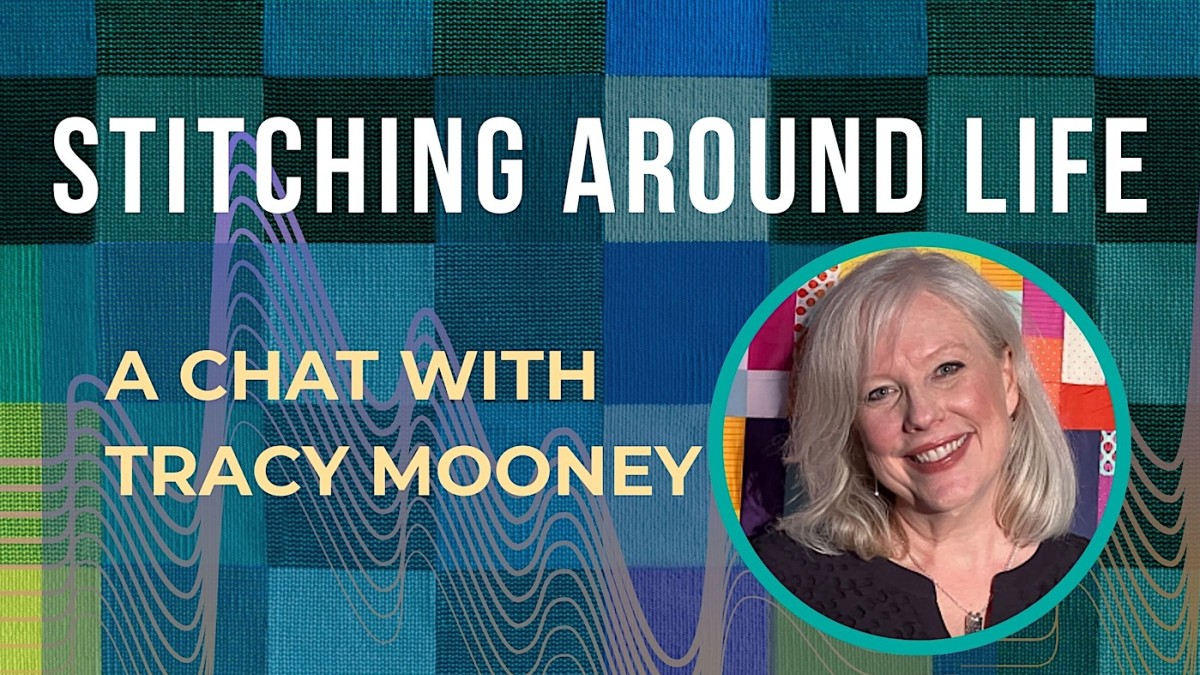
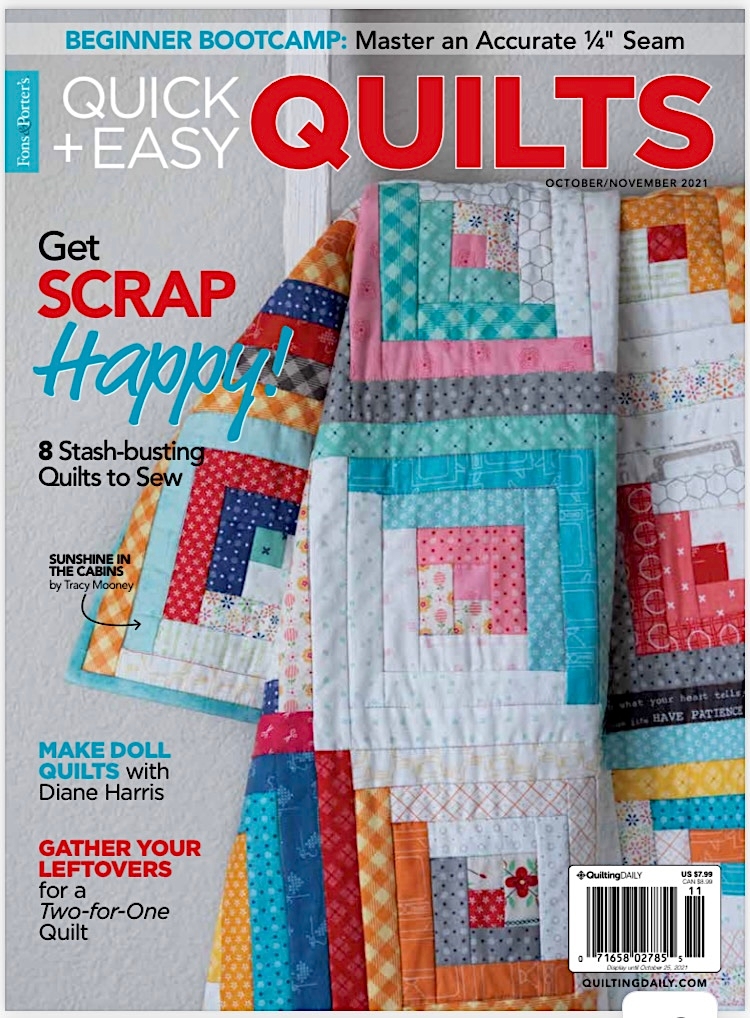
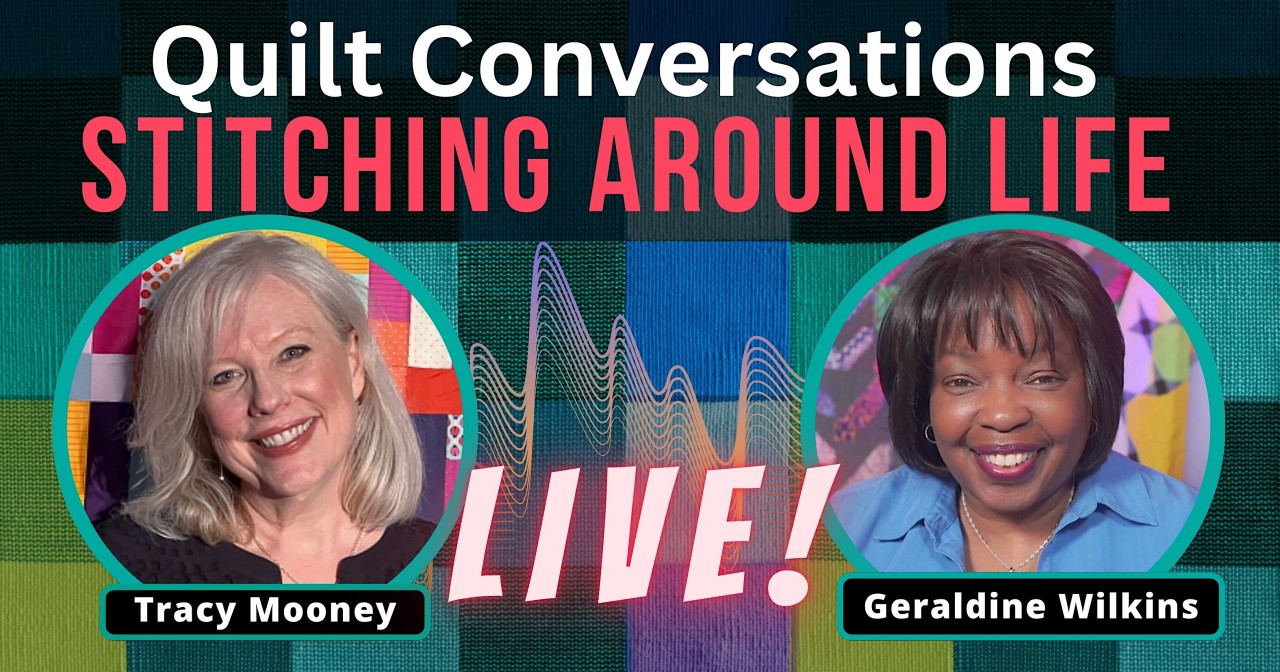
My Quilt Conversations LIVE! guest Tracy Mooney knows that experience from several directions. Many quilters know Tracy through her professional work in the quilting industry and today as Editor-in-Chief of American Quilter. I have known Tracy through that professional side too because she served as my editor on several magazine projects.
For this conversation, however, I wanted to know more about Tracy the quilter and how she has continued to make room for sewing as her life has changed.
There was also an important part of her story that began long before our recent conversation. In December 2025, Tracy shared publicly that she had struggled to find her creative joy after her sister died from cancer in 2017.
By the end of 2025, Tracy felt that part of herself beginning to return. We can see her putting that renewed creativity into practice through weekly sewing sessions on her YouTube channel where she sews live on small projects, and UFOs. It’s in those live sessions we learn about the different ways she continues to be creative based on how she felt that day.
Almost a year after Tracy first talked about finding her sew-jo again, our conversation gave me an opportunity to ask where that journey has taken her now.
When Something We Love Becomes Harder to Do
Geraldine: You’ve built a long career in the quilting industry. What has helped you stay connected to the work and the people in this community through different seasons of life?
Tracy: Quilting has been my passion and my hyperfixation since I began in the early 90s. I think about it every day, even when I am not actively working on a project.
My community has almost always been online, and my closest quilting friends are scattered across the country. I have been blessed to have friends who were willing to pull me back in when I struggled. That is what is so wonderful about quilters--we are all connected by this common love.
____________________
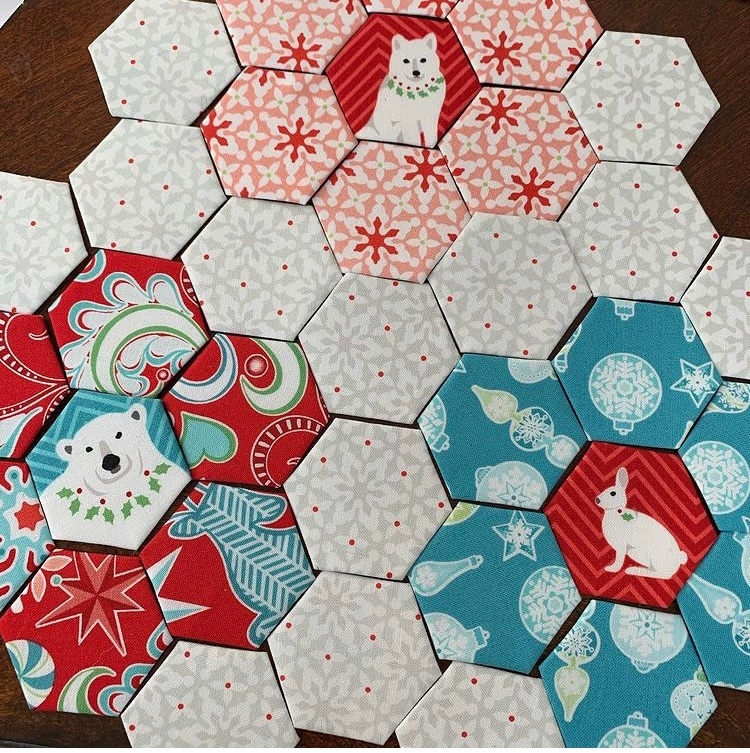
Tracy's life was already deeply rooted in quilting before grief or health challenges changed how she could participate in it. When something has been part of our lives for that long, we are not simply trying to find time for another hobby. We are trying to stay connected to a part of ourselves.
After her sister died in 2017, she said the experience took much of her creativity with it. She continued working in the quilting industry and completed the sewing that was necessary for her job, but personal sewing became much harder to return to.
Years later, she began noticing that her desire to create was slowly coming back. Interestingly, that return did not begin with finishing a major quilt. Tracy talked about the satisfaction she found in completing smaller projects and experiencing the simple feeling of being able to say, "I did it."
That part of Tracy's story made me think about how easily we can overlook small accomplishments when our eyes are always on the finished quilt.
When Health Changes the Way We Sew
Tracy's autoimmune diagnosis affected both her work and her quilting. She described her fingers swelling so badly that typing and sewing became difficult. Because her hands were essential to both her profession and the creative work she loved, she began having to think differently about what she could do and when she could do it.
Geraldine: You’ve chosen to speak publicly about your health challenges. What made you decide that this was an important part of your story to share
Tracy: I decided to share my health challenges because they were affecting my work so drastically. My autoimmune diagnosis began with my fingers swelling up like sausages. At the time, not only was I a quilter, but I was also a freelance writer and an associate editor for a quilting magazine. I used my hands every day for both work and my hobby. I couldn't type easily, and I struggled to sew. It was a difficult time. After a while, I knew I wasn't the first quilter to go through this challenge, but I could share my experience so others wouldn't feel alone and share the tools that helped me relearn to quilt with these challenges. In return, it helped me feel less alone, too.
Geraldine: What have you learned from other quilters who are also sewing through pain, fatigue, illness, or changing physical ability?
Tracy: Taking breaks is the most important thing you can do. I move around, stretch, and yes, even ice my shoulders and back sometimes.
Geraldine: Has your health journey changed the way you think about time, energy, or what deserves your attention?
Tracy: Absolutely! When I feel my worst, my creativity has nowhere to go. I often want to create, even though I am not safe to cut fabric, and my fingers hurt too much to steer the fabric through the machine. That is why I always have projects going in several stages. On one of my worst days, I might do a fabric pull for a new project. On better days, I might cut patches or use my AccuQuilt to cut out a project, or sew a precut project together. If I am suffering from brain fog, I need a project that doesn't require any thinking.
Geraldine: Many quilters struggle when the amount they can do changes. How have you learned to adjust without losing your connection to sewing?
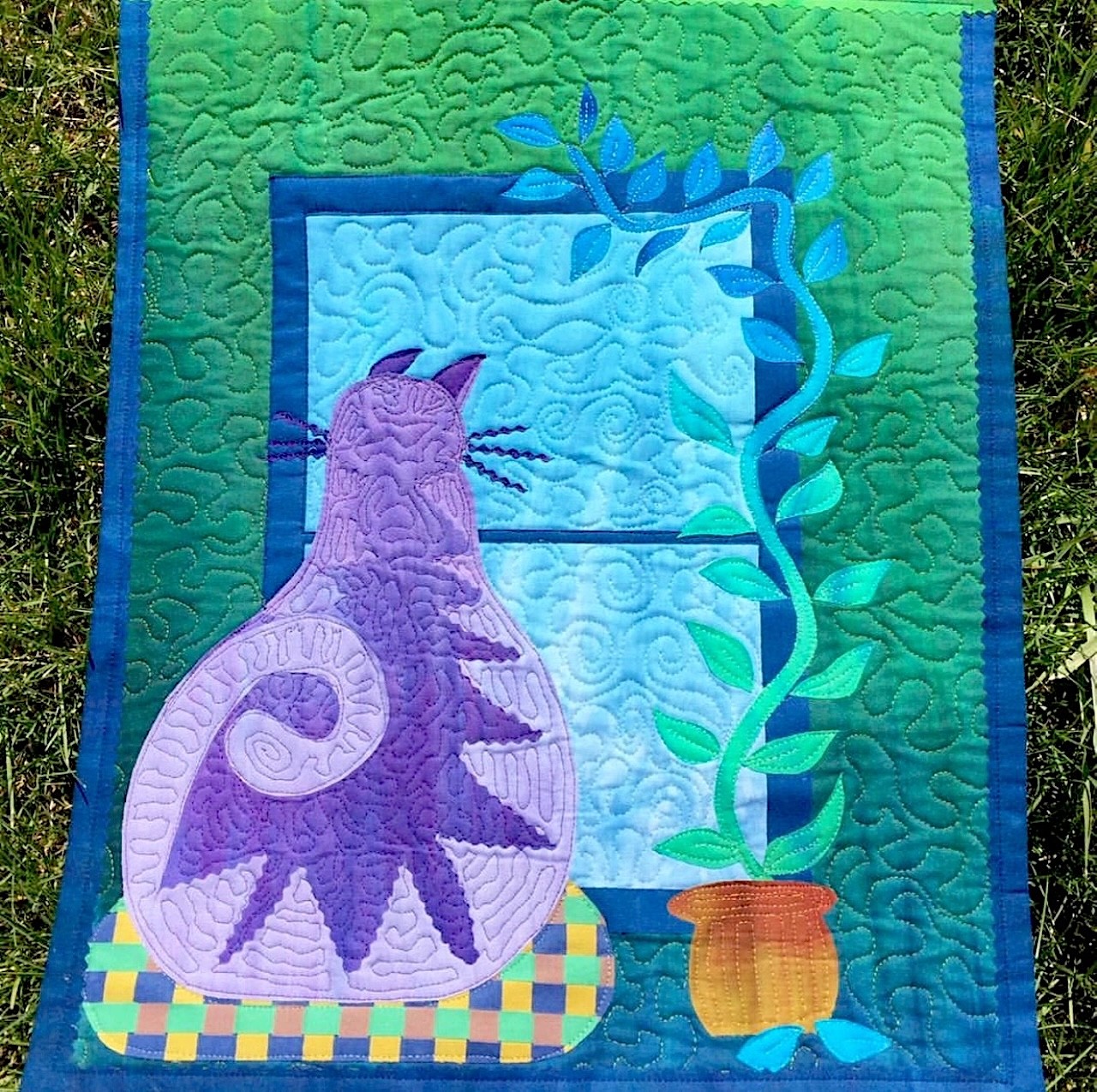
Tracy: This is the reason I started my YouTube channel. I had projects piling up because I didn't have deadlines to finish them. I also found I just wasn't sewing much. It is hard when your day job is in the quilting industry because you have been thinking about quilting all day without sewing a stitch. It makes it hard to be motivated to go in your sewing room after work. So I started a channel to make sure I got in my sewing room every week, even if it was only for two hours during my weekly live streams! I've built a community of quilters who also have chronic illness or disabilities. They join me in my sewing room and I keep them company so they don't feel alone.
____________________
In a March 2026 YouTube video she shared another example of this in practice. Tracy noticed that her hands were not cooperating well while she was sewing, so she turned to an in-the-hoop project that required less cutting and fabric handling but still gave her the satisfaction of making something.
We sometimes talk about quilting as though the only choice is whether we can sit down and sew or not. But making a quilt includes many different activities. We choose fabric, plan, cut, organize, piece, press, quilt and finish.
Instead of asking ourselves if we can quilt today, the better question may be:
"Based on how I feel, what part of the process can I do today?"
That question leaves room for us to stay connected to a project even when the day does not look like the sewing day we originally imagined.
Small Wins Can Change How We See Progress
Geraldine: Has this experience changed the way you define productivity or accomplishment, either personally or professionally?
Tracy: Oh my gosh, yes! I now consider it an accomplishment just to take a few minutes to sew. I celebrate the small wins like finishing three blocks during a sewing session or completing all the blocks for a quilt. I used to only celebrate the finished quilt, and I took all the steps before that for granted. Every seam is a step towards a finished quilt!
____________________
I think many quilters can understand what Tracy means even if the reason we have had to adapt is different.
We may need to change the way we sit at the machine, the tools we use, how much we accomplish during one sewing session, or how we divide a project into steps. Sometimes our available time changes because of work or family. Sometimes our bodies change. Sometimes the way we approach quilting simply needs to change with us.
Learning to adapt does not mean we are starting over. We are learning how to continue.
Making Space For Change
Geraldine: You’ve continued to take on meaningful work while also being honest about pain and physical limitations. What have you learned about setting boundaries and making choices that support the life you want?
Tracy: I've carved out space in my home for a studio. I purchased my dream sewing and embroidery machine. I show up every week and go live on YouTube so that I can keep going. These might seem like easy things for some people, but each one was a big deal for me. I've tried to be completely transparent about my pain and when I go into a Rheumatoid arthritis flare. For me, it always was very hard to admit defeat. But every time, there was a quilter out there saying, "I completely understand. Rest and take care of yourself." Now, I do the same for others.
Quilting and doing handwork of any kind is good for your health. Many studies show that sewing lowers your blood pressure and is good for your brain. They even say quilting helps keep dementia away — I think it is all the math.
If nothing else, it makes me happy. When my kids were younger, it was harder to carve out the time for my hobby. I think I had to make it my work to somehow justify quilting. Now, I think very differently about it. It is part of my life, like breathing.
____________________
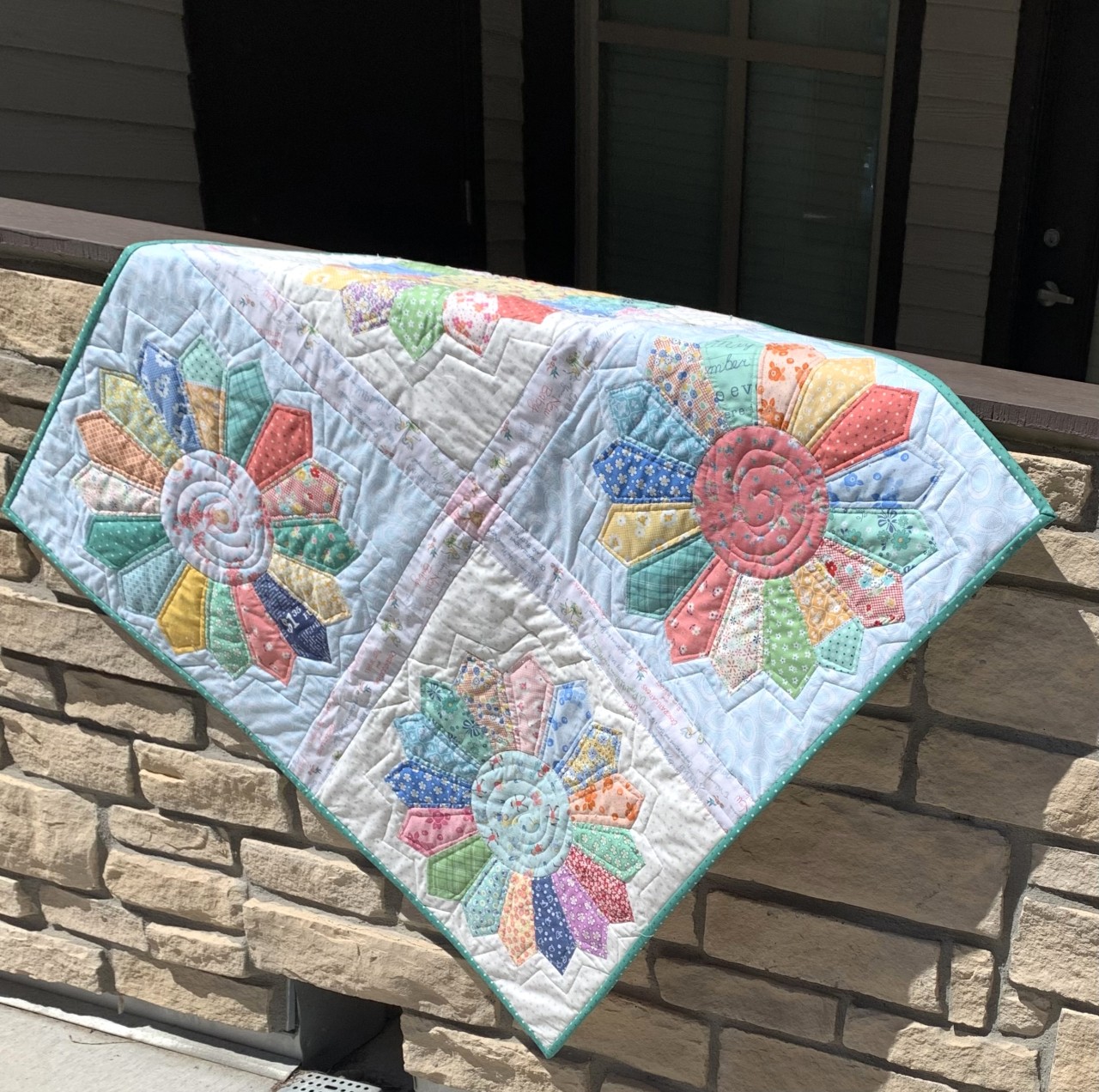
This connects directly to what Tracy was beginning to discover at the end of 2025 when smaller finishes helped her feel excited about sewing again. By March, she was showing the progress she had made on her Village quilt during weekly live sewing sessions. She was not waiting until the whole quilt was finished before recognizing that she was moving forward.
I think that is worth considering in our own quilting rooms. When the only accomplishment we recognize is a finished quilt, a long project can make us feel as though nothing is happening for weeks or months.
The blocks count. The practice counts. Figuring out a problem counts. Even preparing the project so it is easier to pick up next time is progress.
From Accountability to Community
Geraldine: Did your health journey influence your decision to make your UFO sewing public on YouTube or to create the Sew Supportive Patreon
Tracy: Yes, absolutely. I just wasn't spending enough time quilting. I was also really struggling with having too many UFOs. Creating my channel helped with accountability.
Geraldine: Has being part of those more personal conversations changed the way you see the quilting community from your professional roles?
Tracy: Yes, so much so. I have not always had pleasant interactions with quilters. I think many people have run into the "quilt police" or "quilt bullies." In showing up as my authentic self, I have found such a kind community. Their comments keep me going. They also keep my perfectionism in check and remind me that I don't need to be perfect. It is such a different space from my professional work, where everything needs to be just so.
Geraldine: For someone asking, “How do I keep something I love in my life when I can’t do it the way I used to?” what would you want her to know?
Tracy: If you want to keep quilting in your life, you will need to be willing to learn and adapt. I feel like I have taught myself to quilt several times. I work smarter, not harder, using tools that make quilting easier. So many tools are available to help you adapt how you work. Don't give up!
____________________
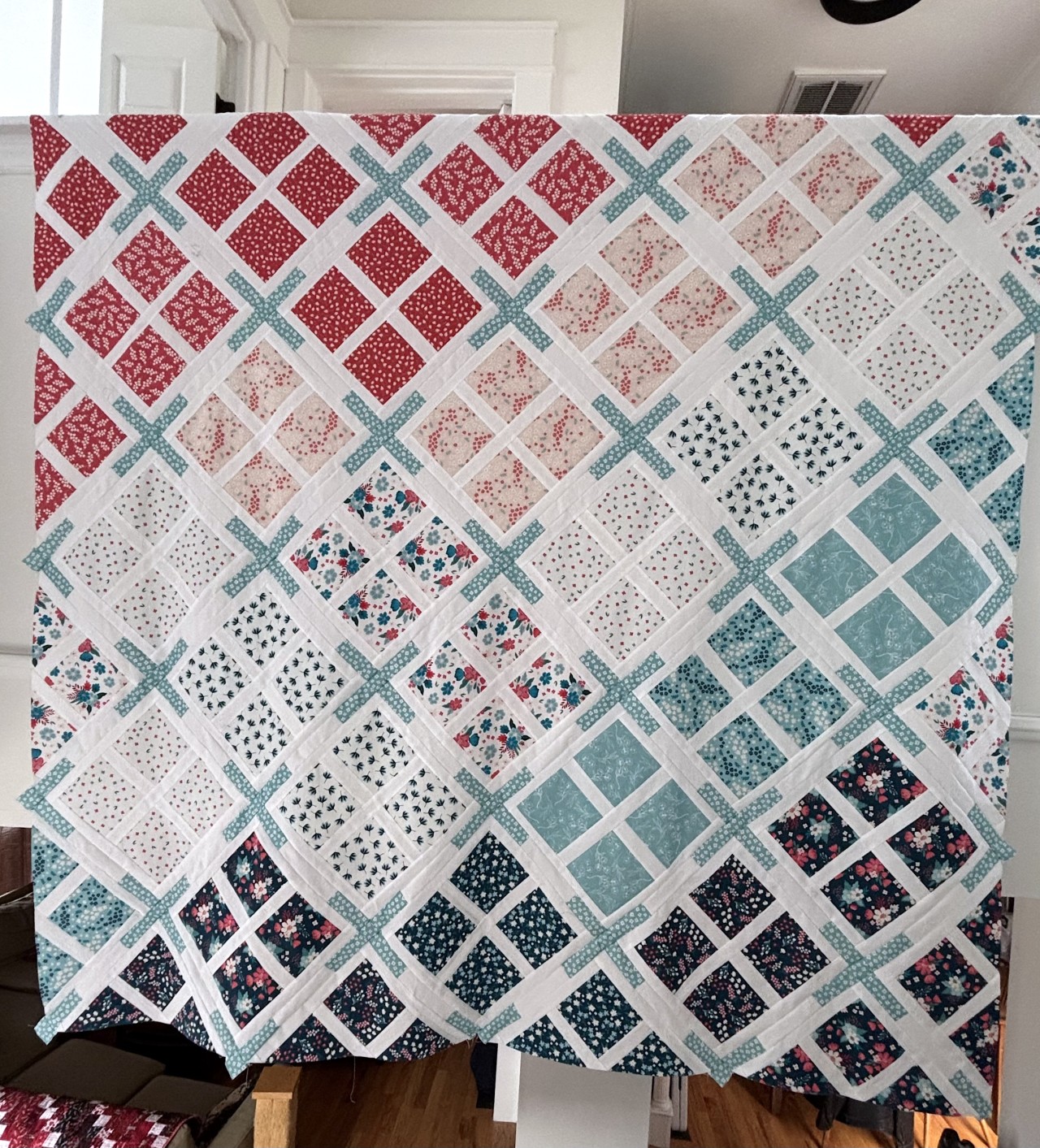
Those live sessions eventually became more than a way for Tracy to sew.
Thursday morning lives became a way for others to work on their own projects, to sew along with her, chat with other quilters, or even keep the conversation playing in the background while they worked.
She also talks about how meaningful it is to hear from other people dealing with chronic illness or simply having a difficult week. Tracy said she wanted Sew Supportive to be a gentle space where people could enjoy creating without putting pressure on themselves or each other to get a tremendous amount done.
That gives accountability a very different feeling. It becomes less about someone asking why we have not finished something and more about having someone beside us while we take the next step.
Making Room for Creativity in the Life We Have
As I look at Tracy's story from 2017 through our conversation today, what stands out to me is that finding her way back to sewing was not one dramatic moment.
Grief changed her creative life. Later, health changes required her to reconsider what she could physically do on different days. Work, family, fatigue and unfinished projects were still part of the picture.
Yet creativity slowly began finding its place again.
By December 2025, Tracy could recognize that something was changing. By March 2026, she was building habits and community around that renewed creativity. Today she talks about adapting the process, using tools that help, choosing projects that fit how she feels, and recognizing accomplishments that she once might have overlooked.
Life can make sewing hard for many reasons, and most of us will probably have seasons when the amount of time, energy or attention we can give our quilting changes.
The goal does not have to be making ourselves sew exactly as we did before.
The goal may simply be finding a way to keep creativity in our lives wherever it takes us, moment by moment or day by day.
Resources That May Help
If a large quilting project feels overwhelming, breaking the work into smaller decisions can make it easier to see the next step. The Ultimate Machine Quilting Planner is one resource I created to help quilters work through those decisions and plan the quilting process before trying to hold everything in their heads at once.
The Machine Quilting Journal can also give us a place to record what we tried, what we learned and the progress we are making along the way.
These are not about putting more pressure on ourselves to finish. They are tools that may help make it easier to stop, return to the project and know where to begin again.
Connect with Tracy Mooney
Watch our complete Quilt Conversations LIVE! interview, How to Keep Sewing When Life Is Hard
You can also connect with Tracy through:
Sew Supportive on YouTube
Sew Supportive Patreon community
Instagram @SewSupportive
Etsy Shop - Take a look at Tracy's UFO Tracker
Categories: : machine quilting, quilting, quilting life, sewing
