How to Use African Textiles in Quilts
 Geraldine Wilkins
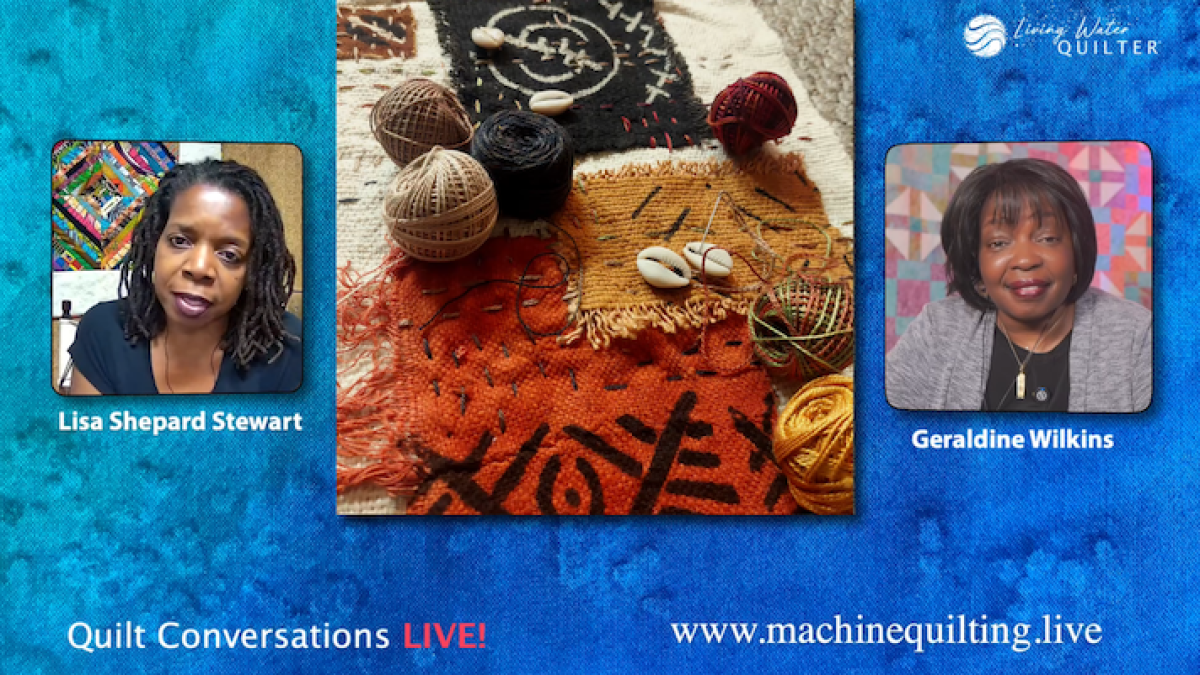
A Conversation with Lisa Shepard Stewart
Instantly, we are attracted to African fabrics with their bold colors, patterns and variety of textures.
We notice the scale of the print, the shapes, a symbol or a large motif, we think, I love this fabric...but what am I going to do with it? How can I use it in a quilt?
We buy the fabric because we love it. Then we take it home, fold it neatly, put it in our stash, and wait for the perfect project.
And sometimes that beautiful fabric stays there for months or even years.
A chat with Lisa Shepard Stewart of Cultured Expressions gave me a chance to talk about that very thing: how do we choose African textiles, how do we combine them with fabrics we already own, and how do we get comfortable enough to cut them?
Lisa has been working with African textiles for decades. Her passion began after traveling to Senegal in 1986. That trip led her to a deeper interest in the fabrics and cultures and eventually to her first book, African Accents, published in 1999.
And one thing I appreciated about Lisa is that she did not make using African fabrics complicated. Her advice is practical.
So if African prints have caught your eye but you are not sure how to use them in quilts, here is where you can start.
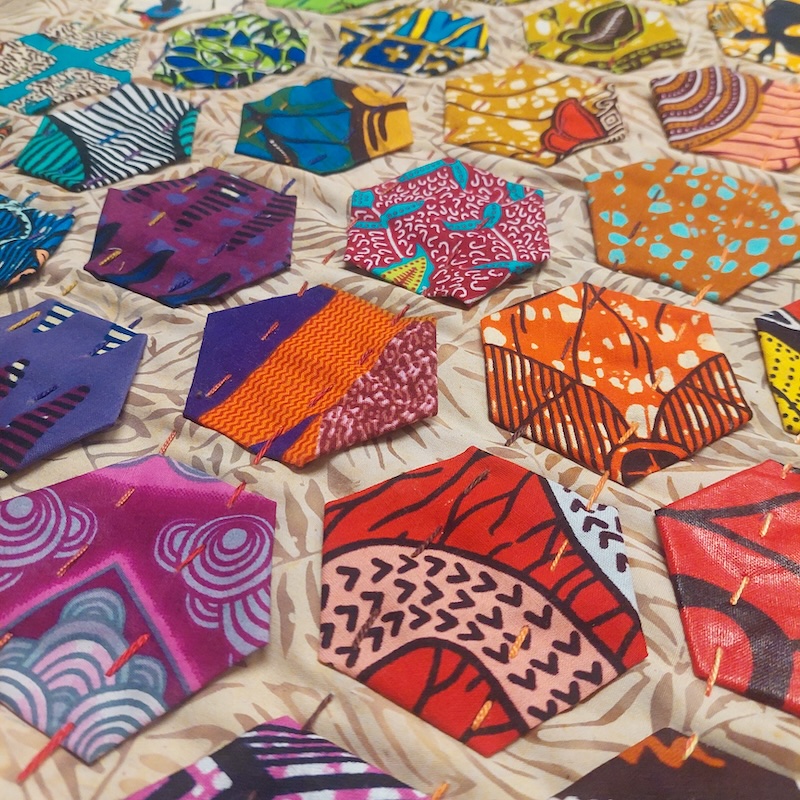
1. We Can Mix African Prints With the Rest of Our Stash
African prints do not have to live in a separate category in our sewing room.
Do African prints work successfully with solids, batiks, and traditional quilting cottons?
Lisa says, “Ankara prints work with sooo many other fabrics.”
Her favorites include: “texture prints, traditional quilting cottons, upholstery, silk duppioni, canvas, denim and others.”
She said this eventually led to her hashtag: #AnkaraElevatesEverything
I love this because it gives us permission to experiment.
We can pull from what we already have. Put the African print next to a solid.
Try a batik. Try denim. Put several choices together on the table or design wall and step back. We do not have to know immediately what works. We can audition our fabrics.
2. We Bought the Fabric. At Some Point, We Have to Cut It.
I asked Lisa what she would say to the quilter who owns a beautiful piece of African fabric but keeps saving it because she is afraid to cut it. Lisa said,
“It's beautiful on the shelf, but beautiful AND useful is even better. Cut a portion of the fabric—like one yard of a 6 yard piece—and make a small project.”
We don't have to use everything. But if we bought the fabric because we love it, let's give ourselves a chance to enjoy it with something we made.
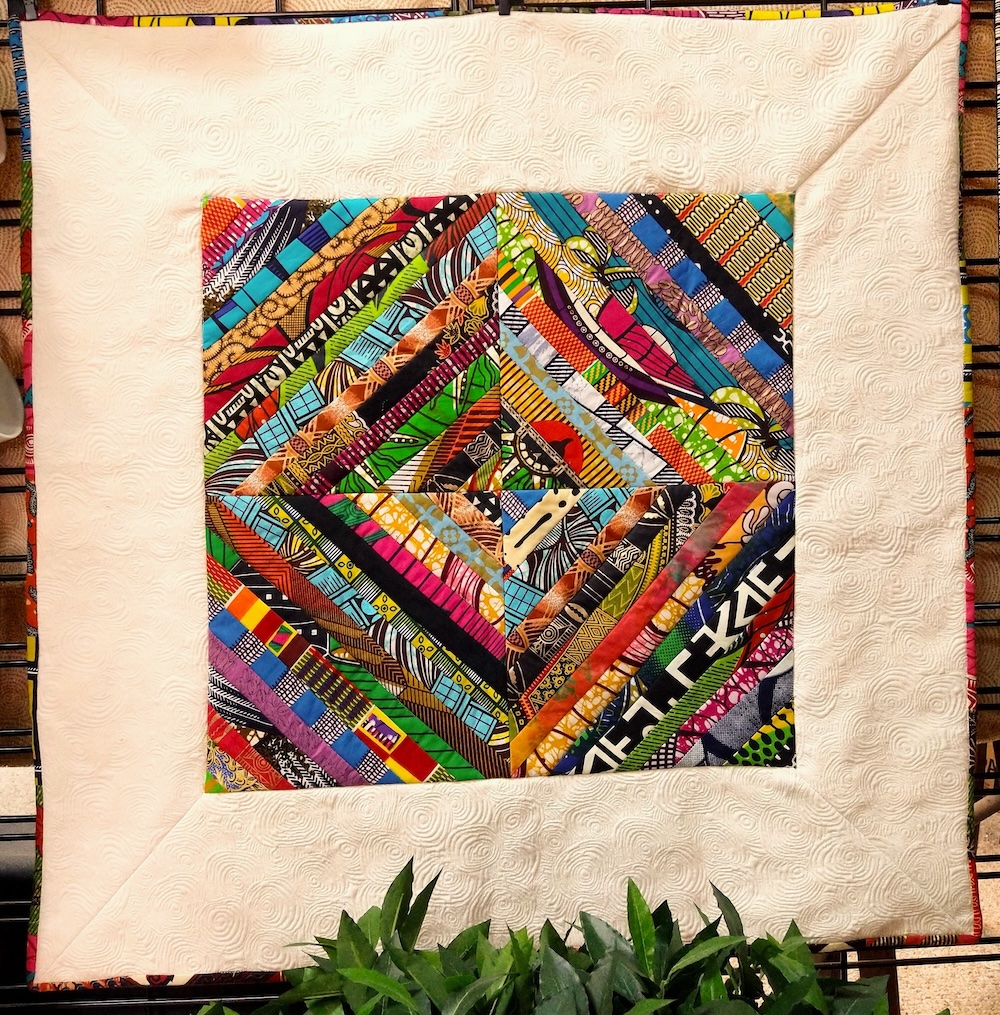
3. What Do We Do With Those Big Prints?
A large motif can make us nervous. We see that beautiful section of the fabric and think, I cannot possibly cut through that.
So I asked Lisa how the scale of a print affects the way she uses it.
Her answer surprised me: “It doesn’t. I encourage cutting of bigger designs, whether strategically or randomly.”
Let’s be honest (hahaha), cutting a large motif into smaller pieces takes creative courage! Besides, a large motif does not automatically mean we have to preserve the entire thing.
When I asked, when should we preserve a motif or larger section of a print?, she said:
“If you really like a particular section of a print, don't cut it. But know that cutting it IS an option. It depends on the project and what you want to see in the end.”
We have choices. What do we want to see in the finished quilt?
Do we want that motif to be a focal point?
Do we want the color and pattern scattered throughout the quilt?
Do we want to showcase one large section and cut another?
And for those of us who freeze when it comes to making the first cut, Lisa suggested precuts:
“Use precut strips, layer cakes, charms, etc to avoid the hesitation you might feel about cutting into the fabrics.”
4. Start With the Color We Already Love
I asked Lisa what she encourages a quilter to notice first when we see an African print we love but have no idea what to do with it.
Her answer was simple:
“We usually see color first, so you're likely drawn to a color you like and probably have in your stash. See if you can pair it with coordinates in your stash. Or, use it by itself in a project.”
That takes some pressure off, doesn't it?
We do not necessarily need to go shopping for an entire new group of fabrics. We can start by looking at what we already have. Use the colors in the African print and look at solids, batiks, blenders, or traditional quilting cottons we already own that might work beside it. It does not have to perfectly match.
Lisa says trying to match colors exactly as one of the common mistakes quilters make.
Sometimes we make choosing fabric harder than it needs to be because we are searching for the exact or perfect match.
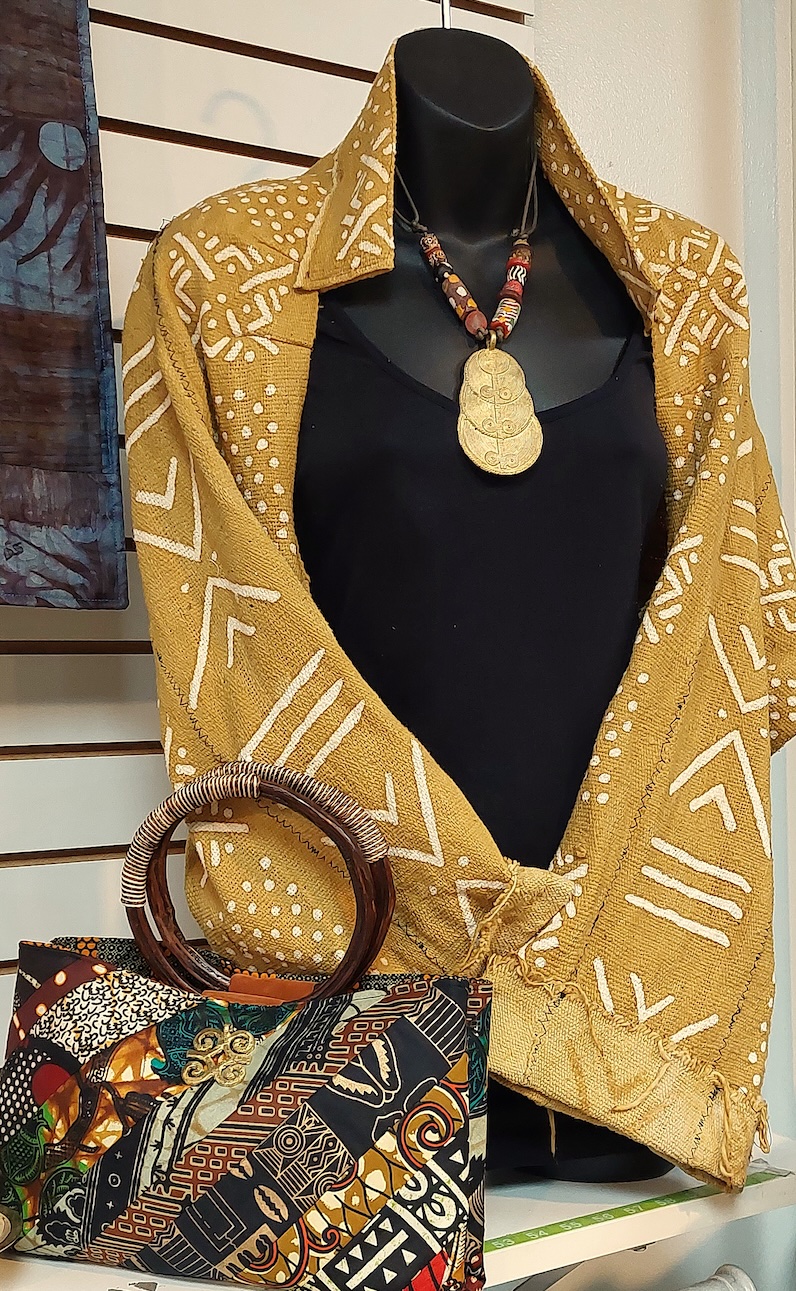
5. Simple Piecing Can Let the Fabric Speak
When fabric has strong color and pattern, we do not need complicated piecing competing with it.
Lisa recommends blocks with simple construction, including: “HST's, snowballs, hexies.”
Lisa says a first-time user of African prints should “Combine the less familiar fabric with a more familiar quilt pattern.”
She also recommends: “HST are a great start, also quilt-as-you-go / strip quilting.”
It's a practical way to move past the fear of using the fabric. We do not have to make the hardest quilt we have ever made. We can start with something we already know or a simple pattern. And let the fabric do a lot of the visual work.
6. There Is More to the Fabric Than Color
Cultured Expressions is not simply about beautiful African textiles.
Lisa’s desire is for sewers to “Feel the Fabric” and “Embrace the Culture.”
So I asked her what that means when we are actually choosing fabric for a project.
Lisa explained:
“My purpose in promoting African textiles is to not only introduce the fabrics themselves and creative ways to use them, but to offer others an appreciation for the stories behind them and the cultures that created them.”
Sometimes a symbol in the cloth has meaning. And knowing that can influence what we make. Lisa gave the example of Adinkra symbols:
“When you understand the meaning of a particular adinkra symbol, it can inspire you to use it in a particular way, and ultimately, to share its significance with others when you discuss your work.”
That does not mean we have to become textile historians before we cut our fabric. But we can be curious. Where did the textile come from? Does it contain a symbol we recognize or one we don't? Does that symbol have a meaning? Who made the cloth?
Lisa recommends shopping with knowledgeable dealers and researching symbols when possible. The more we know, the more intentional we can be.
7. “African Textiles” Does Not Mean One Thing
Lisa also made an important distinction.
The term African textiles covers a very broad range of cloth, textile traditions, and a continent full of production methods like mudcloth kuba cloth, kente, aso-oke, adire and others.
When it comes to the African prints in particular, those that are most familiar to quilters, one misconception she encounters with prints is where they are actually manufactured.
Lisa said: “People are surprised to learn that many are made in China and India.”
That is another reason asking questions matters.
A fabric may be associated with African style or markets without necessarily being manufactured on the African continent.
 copy6a85d1c404f15_lg.png)
8. Sometimes Knowing the Story Changes the Project
One of Lisa's examples:
Lisa explained:
“Korhogo fabric from the Ivory Coast was traditionally made by artisans that were trained to make it because it served as protection for hunters.”
And because she knows that story, it affects how she thinks about using the textile.
“When I use it, I'm mindful of this origin and the special place it holds in the culture.”
That story may help us decide what we want the finished piece to become.
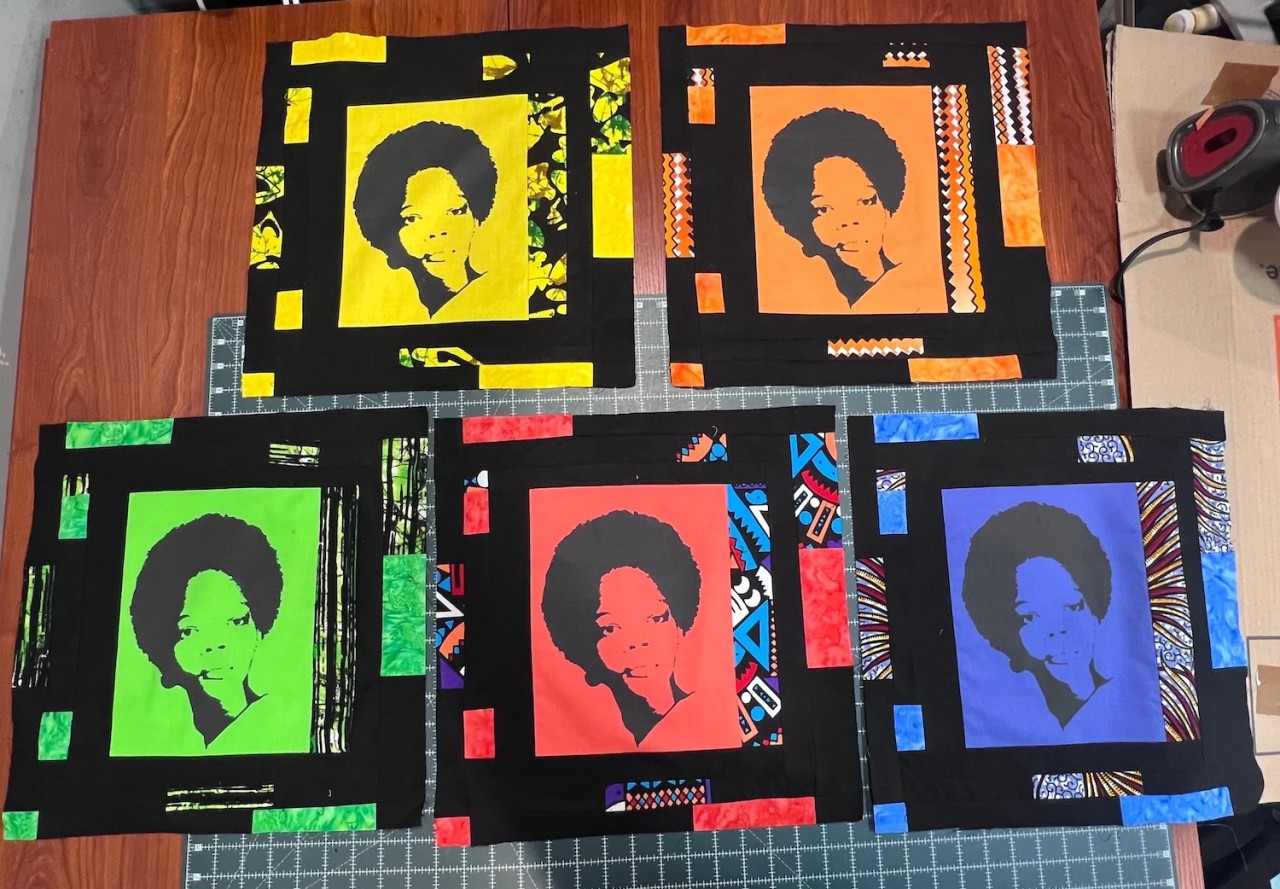
9. My First Project With African Prints: Beautiful Sister Quilt
This entire conversation connects to my own quilting journey because the Beautiful Sister Quilt was my first quilt using African prints.
And when I designed the Beautiful Sister pattern, I designed it to showcase African fabrics.
I selected bold, beautiful prints.
And after my conversation with Lisa, I think about her advice:
“It depends on the project and what you want to see in the end.”
The quilt was designed with beginner quilters in mind. The simple pattern gives us a place to showcase the African prints we love while still giving each of us room to make our own choices with bold colorful fabric.
The Beautiful Sisters Quilts do not have to look alike. That is part of the fun. We start with the same pattern. Then the fabrics begin telling different stories.
10. So, What Can We Try?
After talking with Lisa, I think we can make our first steps pretty simple.
- We can start with an African print we genuinely love.
- We can look at our existing stash before buying more fabric.
- We can stop worrying about exact color matches.
- We can mix African prints with fabrics we already use.
- We can preserve the motifs we want to showcase and give ourselves permission to cut the others.
- We can use simple piecing and let the print do the work.
- We can learn something about the fabric while we are creating with it.
Most importantly? We can use African textiles. Remember Lisa's words:
“It's beautiful on the shelf, but beautiful AND useful is even better.”
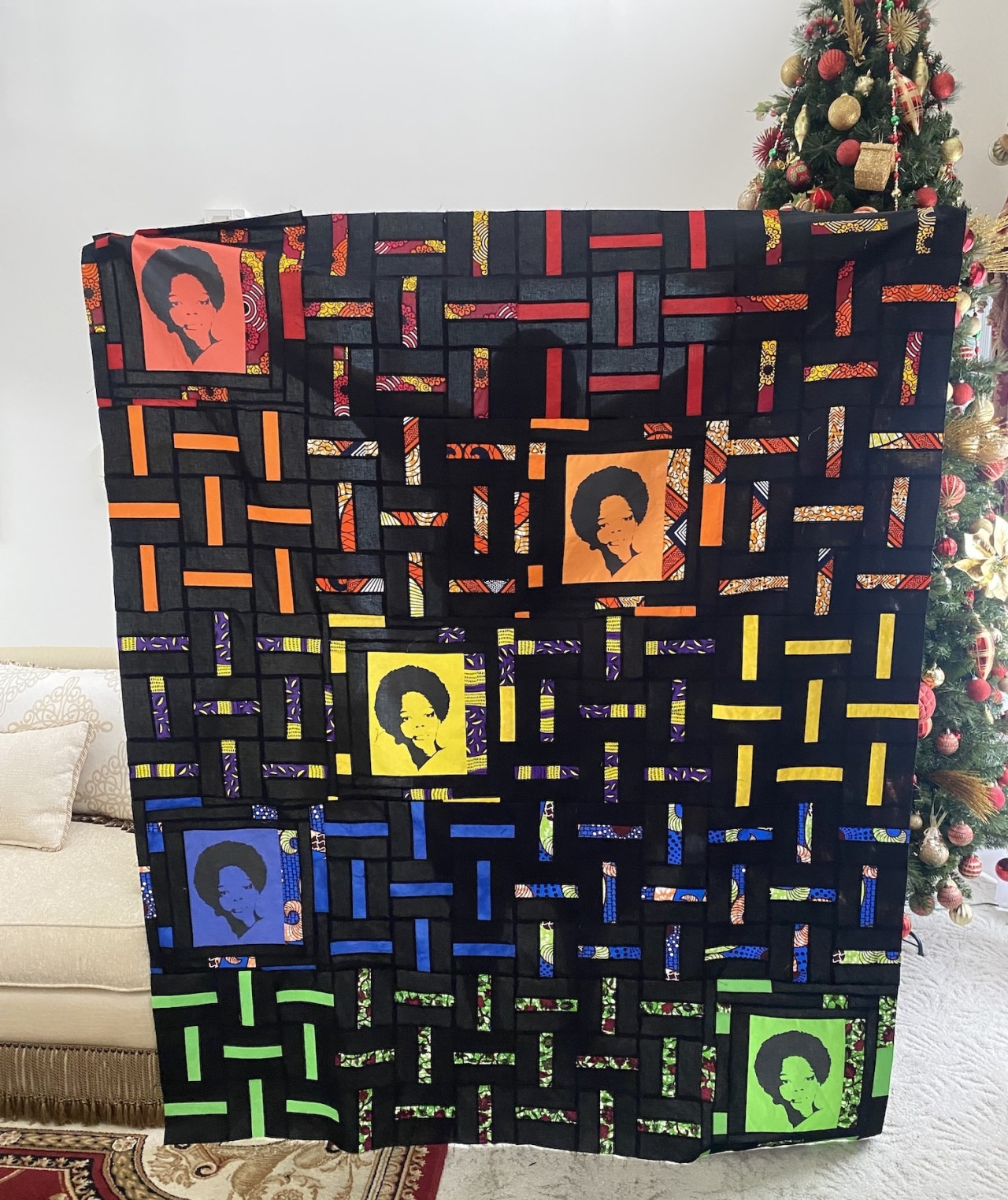
11. Beautiful Sister Quilt, The Next Step.
The Beautiful Sister Quilt was my first quilt with African prints. I designed the pattern to showcase African prints.
Now, Beautiful Sister Quilt Masterclass fits so naturally with Lisa’s advice.
“It's beautiful on the shelf, but beautiful AND useful is even better.”
Many of us already have African prints in our stash that we love but have been hesitant to cut. The Beautiful Sister Quilt Masterclass gives us a reason to use them.
Make the Beautiful Sister Quilt while learning practical quiltmaking techniques you can use again and again.
If we have been waiting for the right project to use those African prints, this can be your next step.
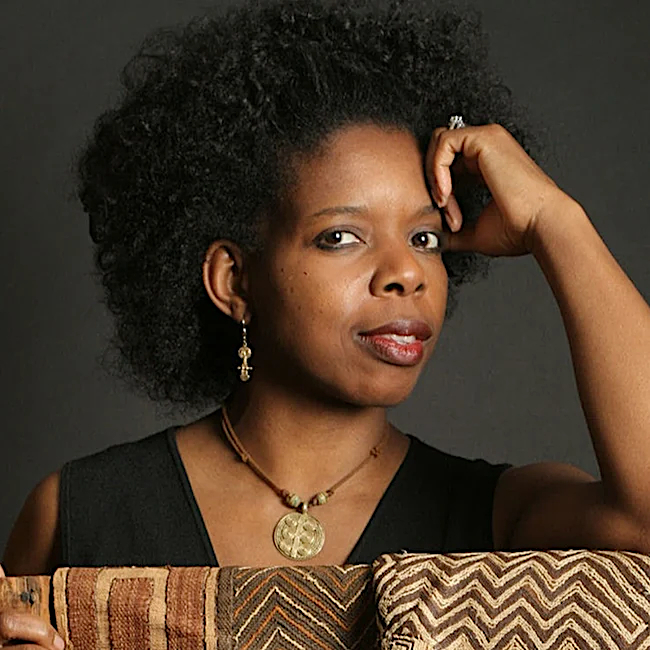
Connect with Lisa Shepard Stewart
Cultured Expressions
www.facebook.com/CulturedExpressions/
www.instagram.com/culturedexpressions
www.youtube.com/CEFabricVideos/videos
www.culturedexpressions.com/ce-sewcial-impact
Categories: : african prints, beautiful sister quilt, quilt conversations live podcast
